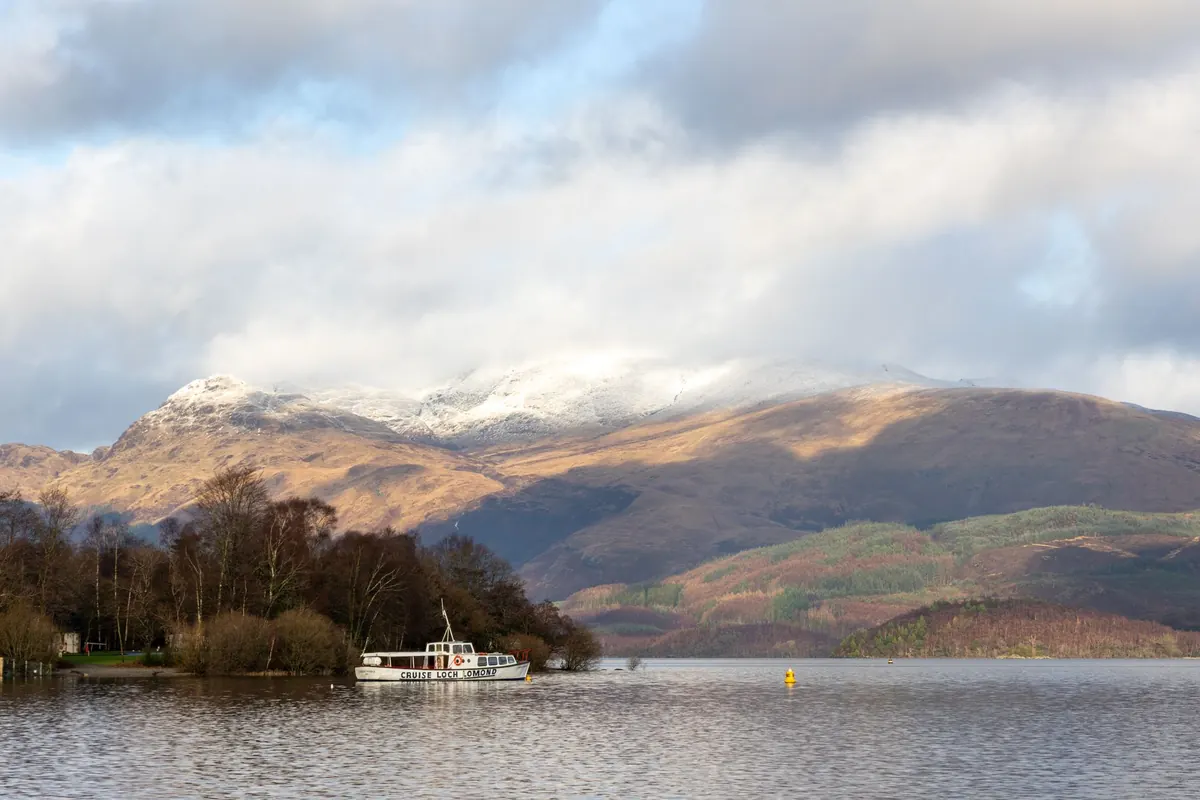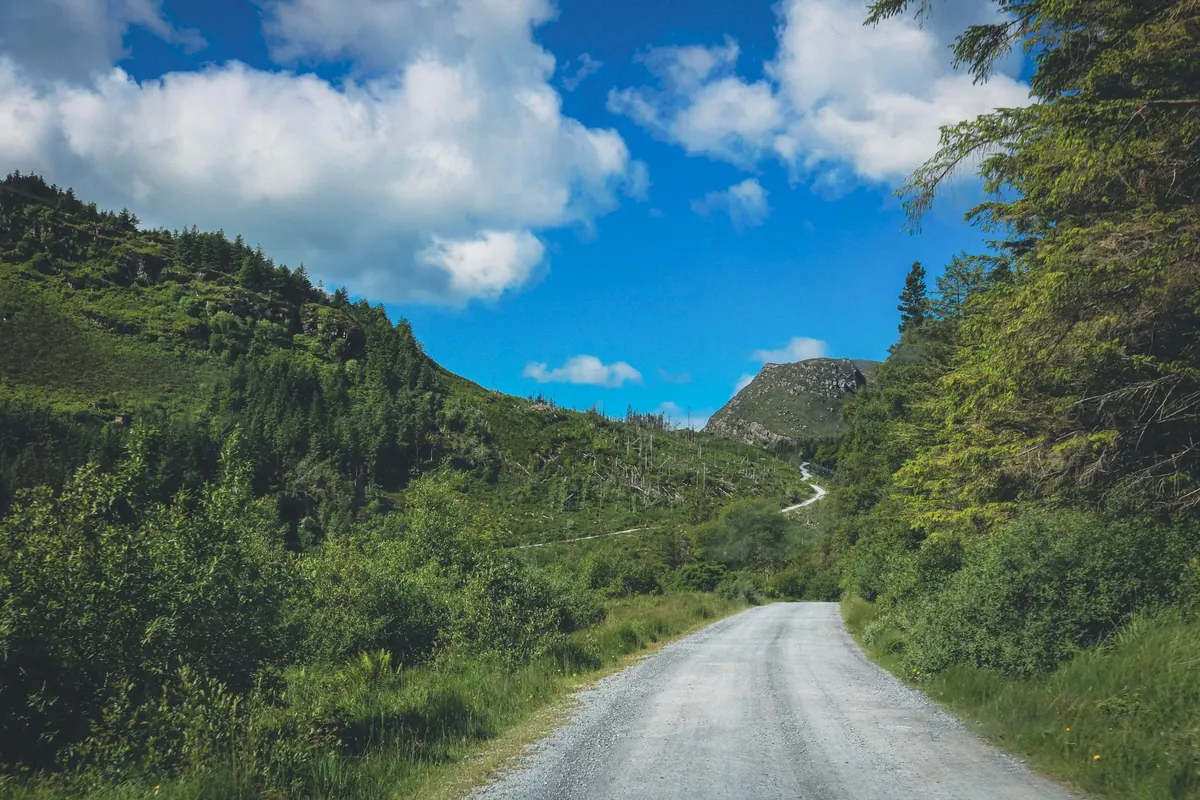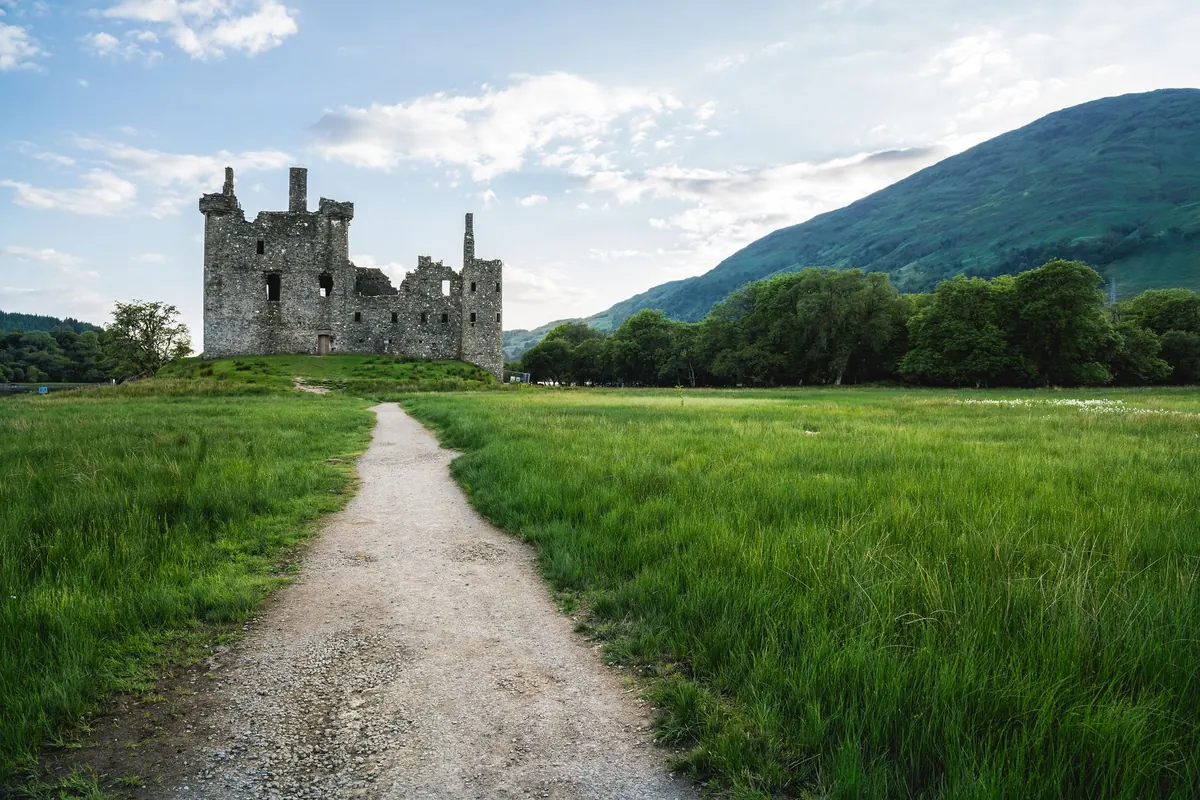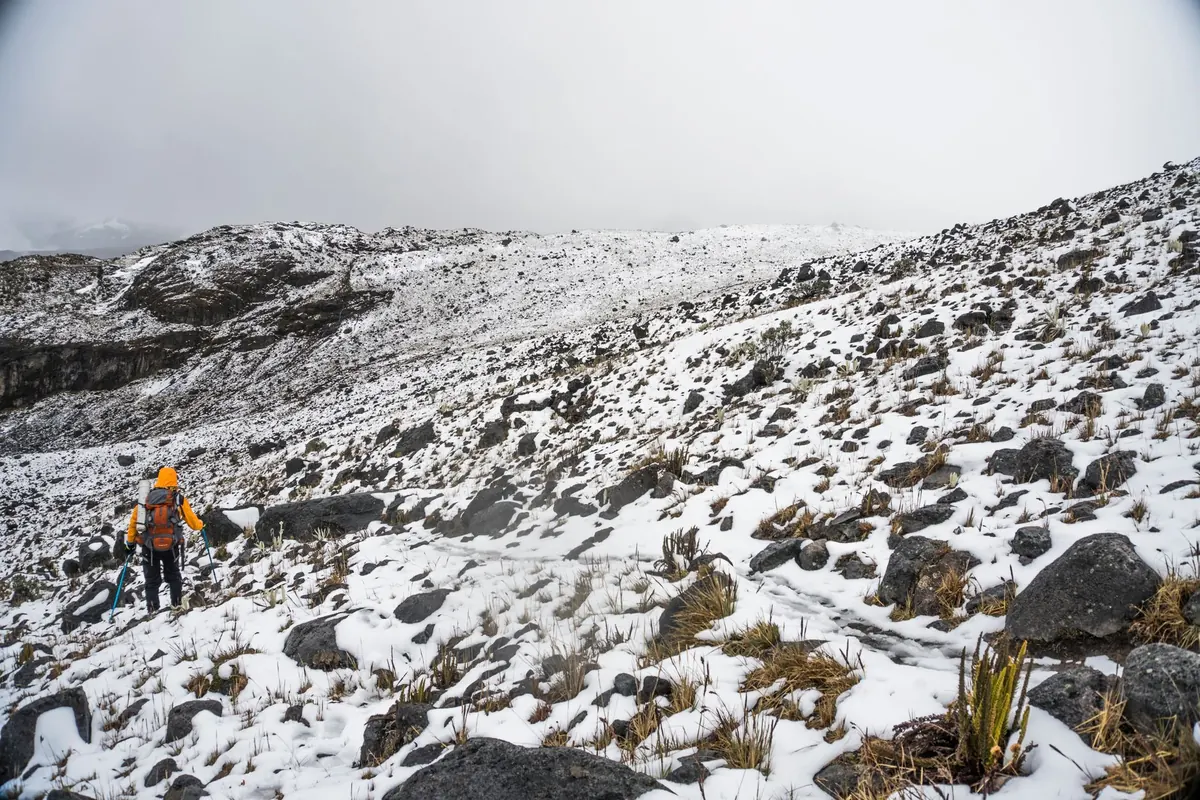
A winter walk beside a Scottish loch can be the best day of the year: flat grey light on the water, snow on the tops, nobody else about. It can also go wrong quickly, because the same short day that makes it beautiful leaves you almost no margin. The kit and the decisions are not complicated, but they need to be made before you set off, not halfway up a glen at two in the afternoon.
Plan the Daylight First, the Route Second
In midwinter the Highlands can give you fewer than seven hours between sunrise and sunset, and the useful light at either end is shorter than that. Add a long drive, a nine o'clock start and a forty-minute walk-in, and a generous-looking route may leave you three or four hours of real walking. So work it backwards. Decide your turnaround time first, then pick a hill or a shore that fits inside it.
Write the turnaround time on the map case. It is not a suggestion; it is the moment you stop going uphill, whatever the summit looks like from there. If three of you have different opinions at that point, the earliest time wins.
The Winter Kit That Actually Earns Its Place
Layering matters more than gadgetry. The aim is to stay dry from the inside out, and to have one genuinely dry layer left in the pack for the moment someone stops moving and starts to chill. Cotton has no place on a winter hill; it holds water against your skin and does nothing for you.
- Boots with a stiff sole — waterproof, and stiff enough to take the binding of whatever traction you carry. This is the one item worth getting right.
- Traction and an axe — microspikes for glazed paths and shallow snow, real crampons and a walking axe if there is any chance of steep, firm snow.
- Waterproof shell and overtrousers, plus gaiters. Wet snow and a loch-side wind will find every gap.
- Two pairs of gloves, a hat, a spare buff. One pair will get soaked.
- A proper headtorch with spare batteries. Not the phone torch. A phone is a map, a camera and an emergency line — it should not also be your light.
- Map, compass and a phone with offline mapping, plus a power bank. Signal near lochs is patchy at best.
- A flask, fatty food, and more of it than you think. Cold weather makes people eat less and suffer more.
- Group shelter or bothy bag, survival bag, first aid kit, whistle. Light, cheap, and worth carrying for years in the hope you never use them.
Boots, Crampons and the Awkward Middle Ground
Most winter accidents on low routes happen on ground that did not look serious: a frozen path above a loch, a wooden boardwalk, a slab of rock with a glaze on it. Microspikes or similar low-profile spikes handle a lot of that, and they are quick to put on and take off. They are not crampons, though, and they will not hold on a steep firmer slope.
Real crampons need a boot with the right stiffness and the correctly matched binding, and they need to be sharp. Learn the technique somewhere gentle before you need it for real. Walk flat-footed, keeping all the points in contact rather than rolling your foot; keep your feet slightly apart so you don't catch a point on your other leg; clear snow balls from under the plate before they turn into stilts. Take them off for long stretches of rock or scree, and be honest with yourself: if you have never practised arresting a slide with an ice axe, stay off the steep stuff.
Read the Avalanche Forecast Before You Leave the House
The Scottish Avalanche Information Service publishes daily forecasts from around December to April for five areas: Northern Cairngorms, Southern Cairngorms, Lochaber, Glencoe and Creag Meagaidh. Read all three parts — hazard level, aspect and elevation — because a "considerable" forecast on a north-facing slope above 900 metres is a very different day from the same rating elsewhere.
The slopes that catch people are usually between 30 and 45 degrees, loaded by wind on the sheltered side of a ridge, often at the top of a gully or below a cornice. Outside the forecast areas you are making your own judgement, so look for the obvious signs: fresh wind slab, cracking under your boots, hollow drum-like sounds, or a sudden collapse of the snow around you. Any of those is a reason to choose a lower, gentler line.
Loch-Side Hazards People Forget
Water changes the maths. Rock and stone at the water's edge glazes over first and thaws last, and slush on a jetty or a boardwalk freezes into something like glass. Paths that squeeze between a steep bank and deep water deserve real care in winter: a slip that would be embarrassing in summer can mean cold-water immersion in a place where help is a long way off.
Burns running into a loch rise fast after rain or a thaw, so stepping stones can be underwater by the time you come back. Snow-loaded branches and overhanging trees shed without warning. Wind accelerates down glens and across open water, which means the shore can feel far colder than the hill above it. Some estates run hind stalking into February; check signage and estate notices rather than assuming the hills are empty.
The Turn-Back Rules Worth Agreeing Out Loud
- You have reached your turnaround time.
- You are running well behind your plan — a third slower than expected is a warning, not a blip.
- You are leaning into the wind to stay upright, or the group cannot hear each other.
- You cannot see the next feature and the ground is steep or the drop is unknown.
- Someone is cold and wet and cannot warm up, or the talking has stopped.
- You are sinking to the knee with every step and your pace has halved.
- The slope ahead is over 30 degrees and the snow looks wind-loaded or slabby.
Turning back is not a failed day; it is the decision that keeps the next twenty years of days available. If someone is showing signs of hypothermia, get them out of the wind and into dry layers and a shelter, and call for help: 999, ask for Police Scotland, then Mountain Rescue. For anything medical, take proper professional advice.
A Short Routine for the Morning
Check the mountain weather and the avalanche forecast, confirm sunrise and sunset, and set the turnaround. Leave a route plan with someone and a time by which they should raise the alarm. Pack the headtorch and goggles even if the sky looks kind. Then go and enjoy it — the low light on a winter loch, the quiet, the cold air — knowing that the margin you built in at breakfast is the reason you can relax in the afternoon.
Photo: Juan Felipe Ramírez / Pexels