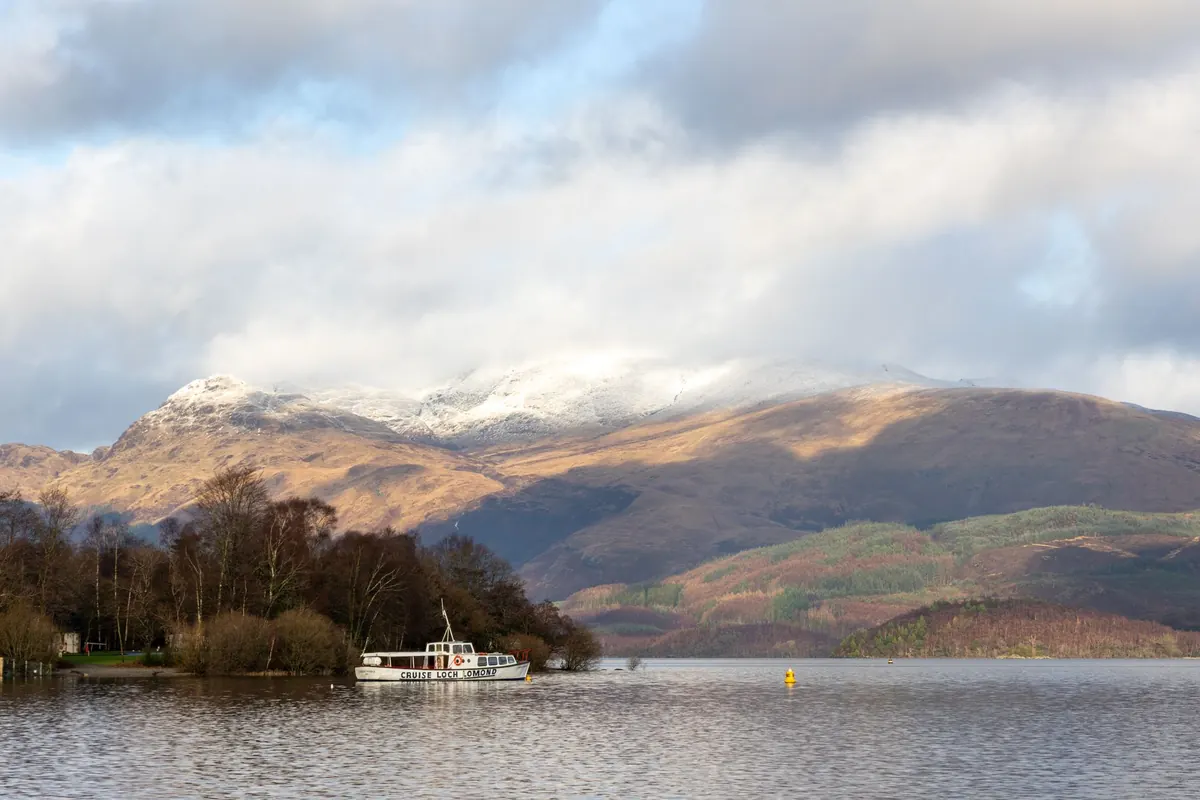
There is a moment on a hill loch when the wind drops, the surface goes glassy, and a trout moves a yard from the boat. Getting to that moment takes a little planning. Scotland's freshwater fishing is famously accessible, but it is neither free nor unregulated, and the customs around it matter as much as the cast. Here is what a beginner needs to know before the first line goes out.
Permits: No Rod Licence, But Still Permission
As things stand, there is no national rod licence for freshwater angling in Scotland. That surprises visitors from England and Wales, where one is mandatory. It does not mean you can fish anywhere you like. Most freshwater fishing rights in Scotland are private, and the statutory right of access to the countryside does not extend to fishing. You need permission from whoever holds the rights: an angling association, an estate, a landowner, or a commercial fishery.
Brown trout on lochs is the easy end of the market. Day tickets are sold in tackle shops, village post offices, hotels and petrol stations, and often online. A ticket for a modest hill loch can cost less than lunch. Salmon and sea trout are different: fishing for them without a legal right is a criminal offence, not a paperwork slip, and rods are limited. If salmon is your goal, start with a club or a beat that sells day permits.
Where to look for permits:
- Local angling associations, usually the best value and the best local knowledge.
- Estate or fishery offices, which sell permits for their own water.
- Tackle shops near the loch, which often sell tickets for several waters over the same counter.
- District salmon fishery boards and fisheries management bodies, who can tell you who controls which water.
Sea angling needs no permit. Estuaries can be murkier, because migratory fish may be involved, so ask before you assume.
Seasons: The Close Season Is Not a Suggestion
The statutory close season for brown trout in Scotland runs from 7 October to 14 March, and it applies to lochs as well as rivers. It exists to let fish spawn undisturbed. Salmon and sea trout seasons are set district by district and are published each year, so check the current dates for the exact water you intend to fish rather than trusting an old blog post. Enclosed commercial stillwaters often fish for rainbow trout all year, but that is a fishery's own rule, not a national one.
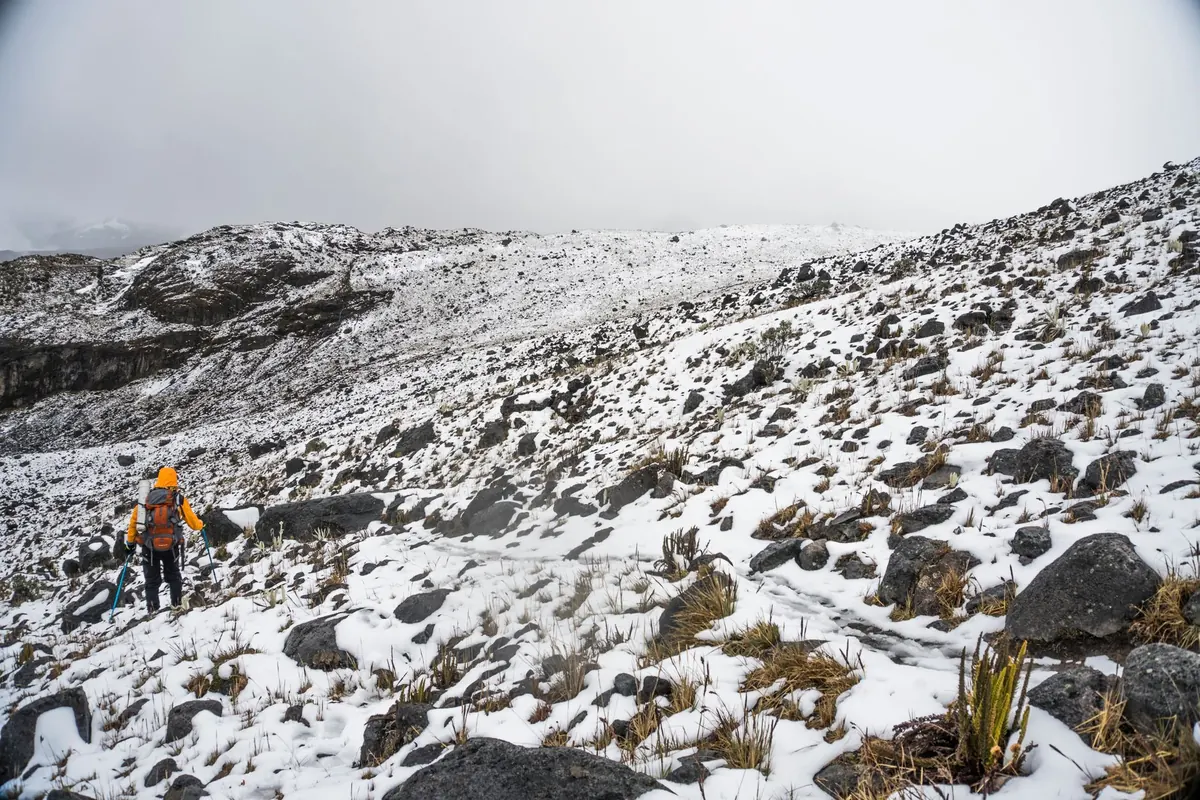
Individual fisheries can also open later or close earlier than the statutory dates, and some lochs carry extra local restrictions. The ticket is the authority, not the calendar. One more thing: spring weather in Scotland does not read the rulebook. A March day on a high loch can be genuinely hazardous, and the fish are often deep and slow. Late April to June, and September, tend to be kinder to beginners.
Catch Limits and Looking After What You Catch
Most day tickets state a bag limit, commonly a small number of trout, and a growing number of waters are catch and release only or ask you to return fish above a certain size. Read the ticket before you start, and if it is unclear, ask the person who sold it. Keeping fish you were meant to release is the quickest way to sour a relationship with a club you might want to fish again.
Handle fish as if you intend to release them, even when you do not. Wet your hands first, use barbless or debarbed hooks, unhook in the water where you can, and never squeeze a fish or let it flap on dry stones. A trout held in the air for a photograph and put back badly will often die later, out of sight.
Invasive Species: Check, Clean, Dry
Scotland's lochs face real pressure from non-native species, including signal crayfish, ruffe, zebra mussels and several invasive water plants. Anglers' kit is one of the main ways they travel between waters. The routine is simple and worth doing every trip: check nets, waders, boots, boat trailers and kayaks for weed, mud and standing water; clean everything with clean water; then dry it thoroughly, ideally for a couple of days, and longer in cold, damp weather.
Rules worth knowing before you bait up
- Do not move fish between waters, and never introduce fish anywhere without authorisation. It is illegal and can wreck a fishery.
- Live fish as bait are not permitted in Scotland. No livebaiting, and no carrying live fish around.
- Never tip a bait bucket, aquarium or garden pond into a loch or burn.
- Report unusual catches, particularly pink salmon, to the relevant fishery board.
Etiquette on the Bank and on the Water
Scottish fishing etiquette is mostly common sense applied to other people's livelihoods and other anglers' days. Park so that passing places and field gates stay clear, because on single-track roads you may be blocking a crofter, a vet or a delivery. Close gates behind you. Keep dogs under control around sheep, especially in lambing time. Leave no litter, light no fires on the shore, and take everything home, including line offcuts and tinfoil.
Give other anglers room. On a bank, a wide berth and a quiet greeting is enough. On a loch, do not motor through another boat's drift, and if someone is playing a fish, wait. If you are fishing from a boat, wear a lifejacket, watch the wind, and remember that loch water stays cold even in August. Squalls arrive fast on open water.
Ask first, park well, close gates, take everything home. Most of the etiquette fits in that sentence.
Your First Trip: A Short Checklist
- Decide what you are fishing for: trout on a loch is straightforward; salmon is not.
- Buy the permit before you travel, and print it or save it offline, as signal can vanish in the hills.
- Confirm the season dates and any method restrictions, such as fly only.
- Check the forecast, the wind direction and whether a boat is included in your ticket.
- Pack for four seasons in one day, plus midge repellent from June onwards.
- Clean and dry your kit before and after, every time.
Seasons, permits and protection orders do change, and the rules for migratory fish can be genuinely intricate. Before you book accommodation or pay for a rod, confirm the details with the permit issuer or the relevant district salmon fishery board. It takes five minutes and saves a wasted morning standing on a shore you are not allowed to fish.
Photo: Igor Passchier / Pexels